Table of Contents
- Introduction
- Deep Learning
- Reinforcement Learning
- Transfer Learning
- Generative Adversarial Networks (GANs)
- Explainable AI (XAI)
- NLP
Introduction
AI has rapidly evolved, becoming integral to many aspects of our daily lives and business operations. This blog post explores some of the most trendy ML algorithms, diving deeper into their workings and real-world examples to provide a comprehensive understanding of these transformative technologies.
Deep Learning
What is Deep Learning?
Deep Learning, a subset of ML, involves artificial neural networks with multiple layers. These layers enable the model to learn and make intelligent decisions based on data input.
Applications:
- Image and Speech Recognition: Deep Learning powers Google Photos for facial recognition and voice-activated devices like Amazon Echo.
- Example: Google Photos can recognize faces in images, even as people age over time.
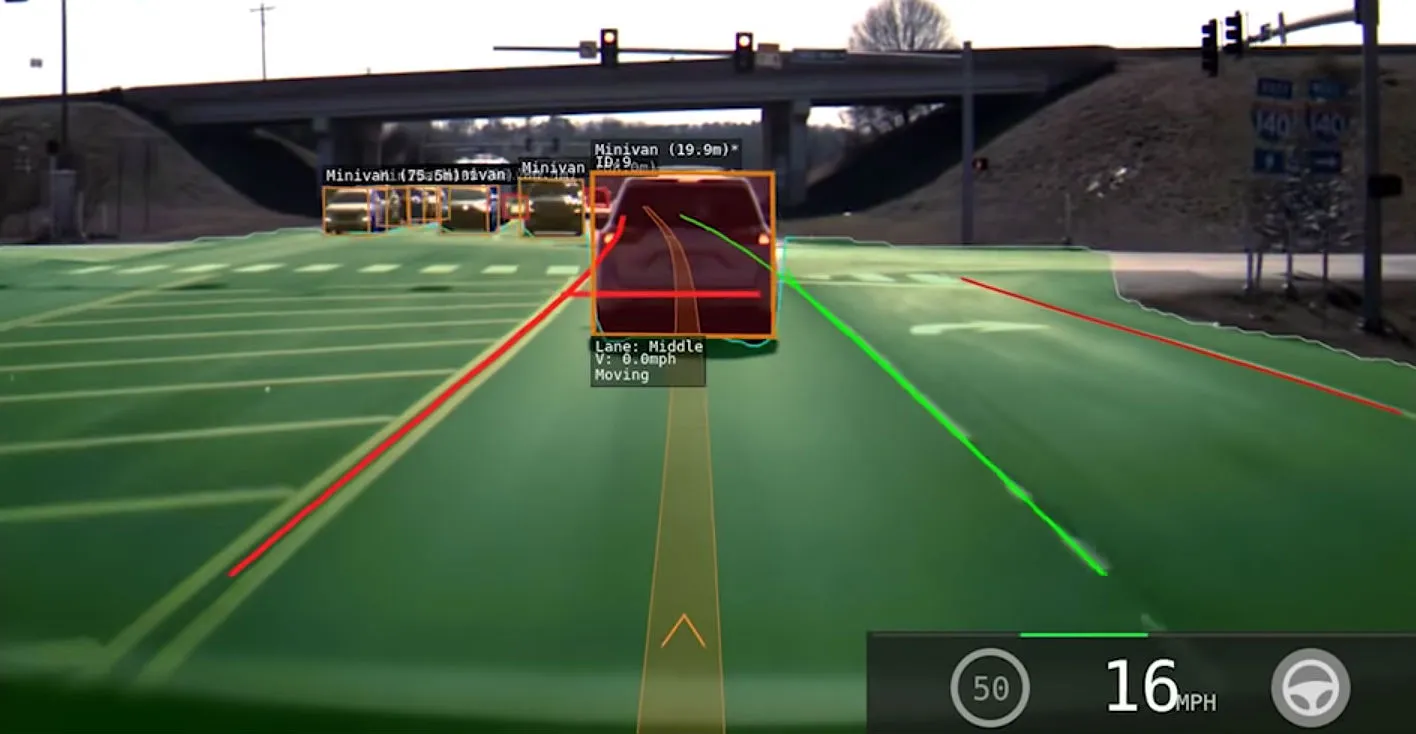
- Self-driving Cars: Tesla’s Autopilot system uses Deep Learning for real-time decision-making on the road.
- Example: Tesla cars can identify and react to stop signs, traffic lights, and other vehicles on the road.
Reinforcement Learning
What is Reinforcement Learning?
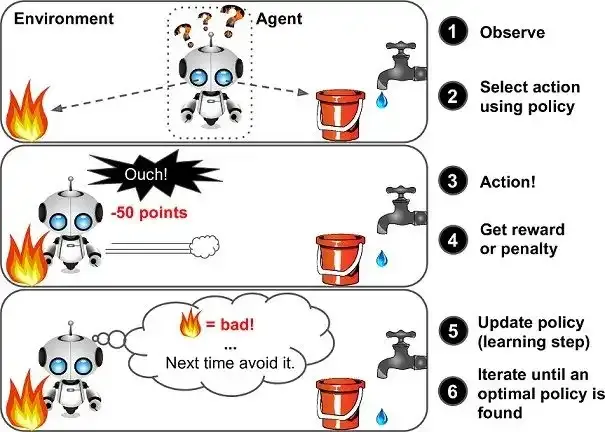
This type of learning involves an agent that learns to make decisions by performing actions and receiving feedback in the form of rewards or penalties.
Applications:
- Gaming: AlphaGo, developed by DeepMind, used Reinforcement Learning to defeat world champions in the board game Go.
- Example: AlphaGo’s victory over Lee Sedol, a top Go player.
- Robotics: Boston Dynamics uses Reinforcement Learning to teach robots new skills.
- Example: Robots learning to open doors or navigate uneven terrain.
Transfer Learning
What is Transfer Learning?
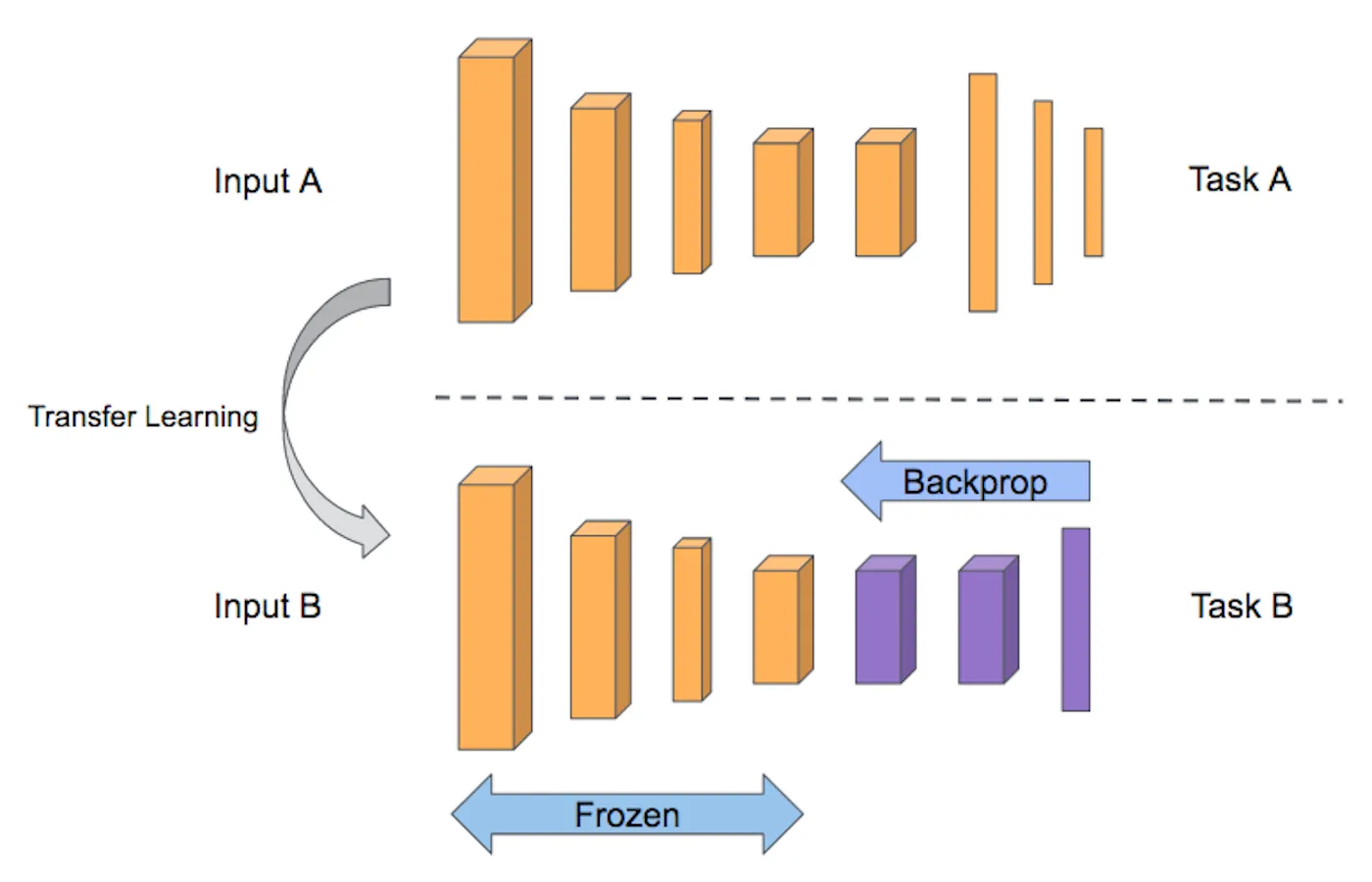
This approach leverages a pre-trained model on a large dataset and adapts it for a new, related task, saving time and resources.
Applications:
- Medical Imaging: Radiologists use Transfer Learning models to detect anomalies in X-rays and MRIs.
- Example: Identifying tumors in medical images more accurately.
- Language Translation Services: Google Translate improves translation accuracy using models initially trained on large text datasets.
- Example: Real-time translation of languages with high accuracy.
Generative Adversarial Networks (GANs)
What are GANs?
GANs involve two neural networks, a generator and a discriminator, which learn through competition with each other.
Applications:
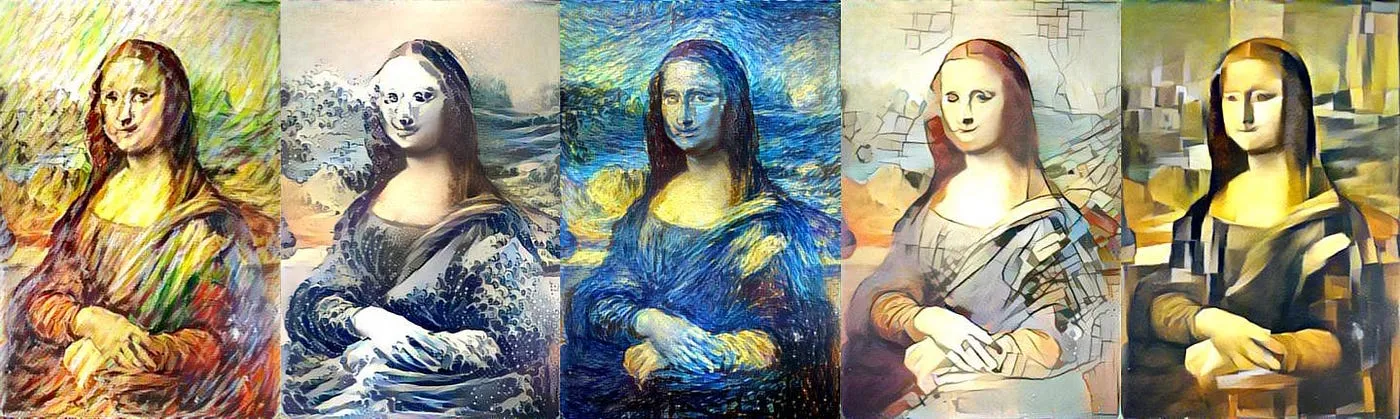
- Art and Entertainment: AI-generated art, as seen in platforms like Artbreeder and Midjourney, where users can create unique images.
- Example: Creating new artworks by blending styles and elements.
- Fashion Industry: Designing new fashion items and virtual modeling.
- Example: Virtual models showcasing new fashion designs.
Explainable AI (XAI)
What is Explainable AI?
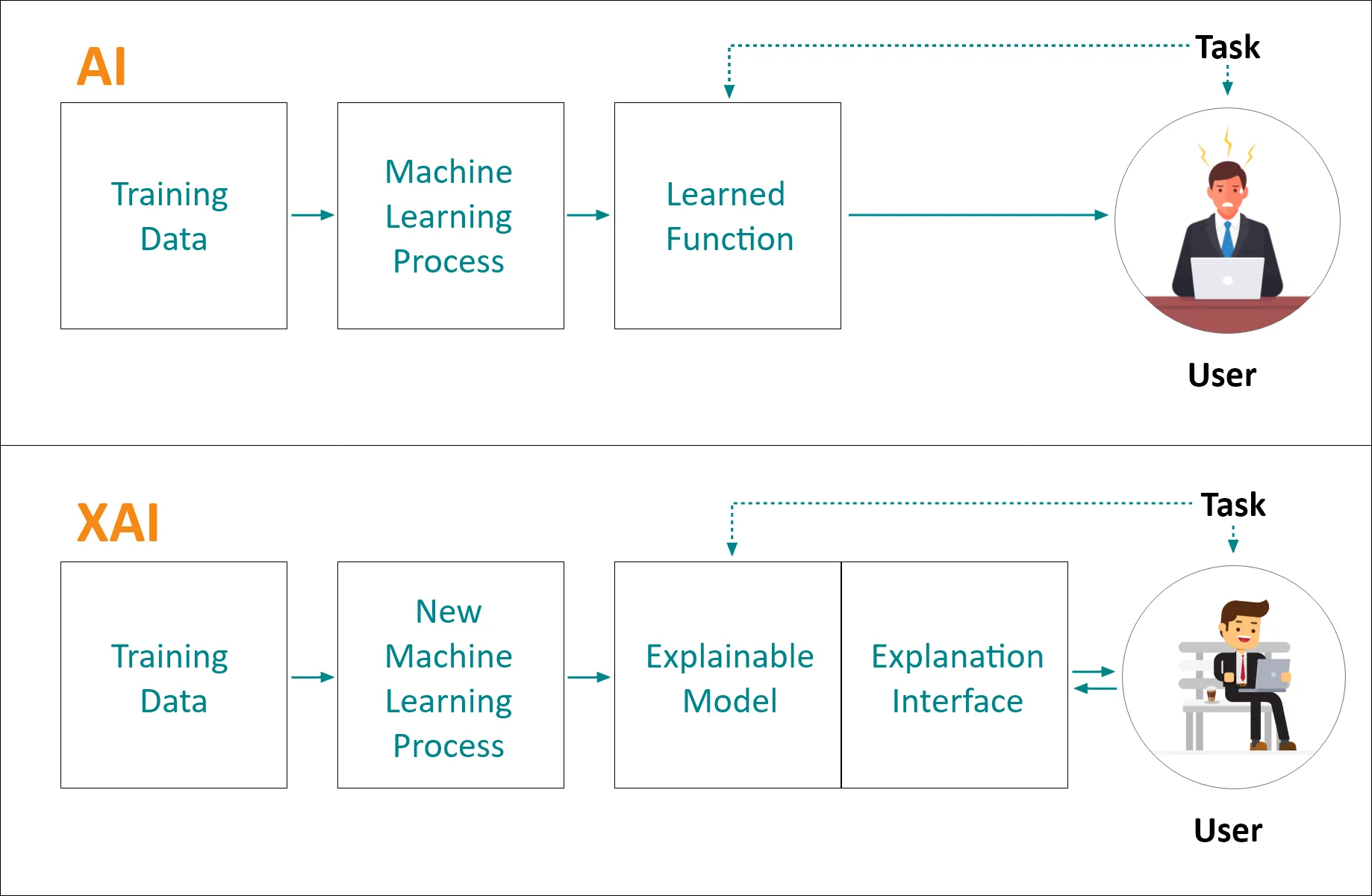
XAI aims to make AI decisions transparent and understandable, especially critical in sectors where accountability is essential.
Applications:
- Finance Sector: In credit scoring, XAI helps in understanding how AI models make decisions about loan approvals.
- Example: Providing explanations for credit denials based on AI analysis.
- Healthcare: In diagnostics, XAI offers insights into the AI’s decision-making, enhancing trust among medical practitioners and patients.
- Example: Explaining why an AI system recommends a particular treatment plan.
Natural Language Processing (NLP)
What is NLP?
Natural Language Processing (NLP) stands as a compelling application of Machine Learning, focusing on interpreting and manipulating human language. This innovative field bridges the gap between human communication and computer understanding, enabling sophisticated interactions and analysis of textual data.
Applications:
- Chatbots and Virtual Assistants: Siri, Alexa, and other virtual assistants use NLP to understand and respond to user queries.
- Example: Siri’s ability to comprehend and act on complex voice commands.
- Sentiment Analysis: Analyzing social media data to gauge public sentiment.
- Example: Companies monitoring Twitter to understand customer opinions about products or services.